


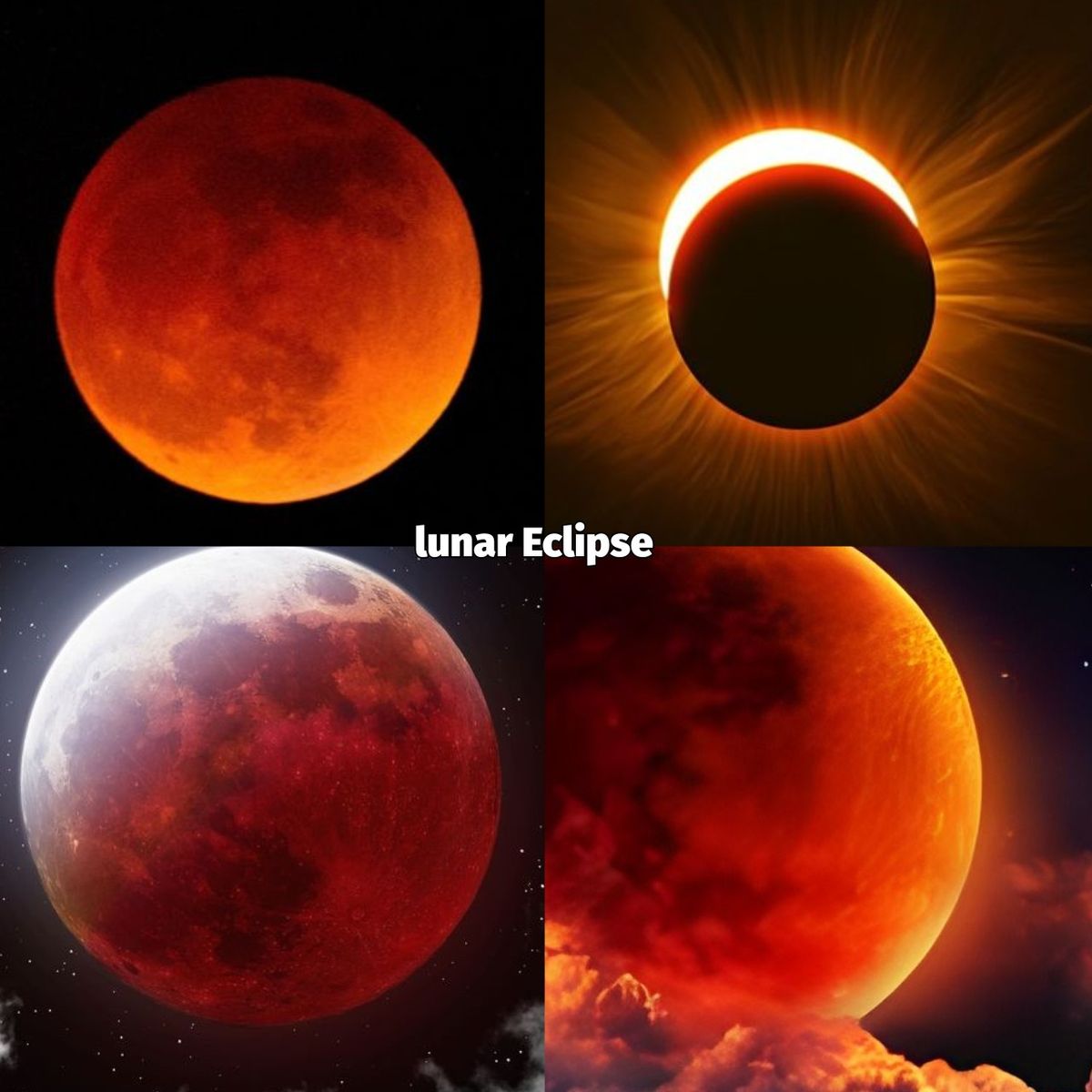
Title: The Ring of Fire: Antarctica’s Annular Solar Eclipse of February 17, 2026
On February 17, 2026, the cosmos delivers one of its most striking spectacles: an annular solar eclipse, popularly known as the “Ring of Fire.” In this rare alignment, the Moon passes directly between Earth and the Sun but fails to fully obscure our star due to its slightly smaller apparent size at that moment. Instead of total darkness, a brilliant ring of sunlight encircles the Moon’s silhouette, creating a fiery halo that evokes otherworldly beauty.
This event marks the first solar eclipse of 2026 and occurs just days before a total lunar eclipse on March 3, highlighting the precise celestial mechanics governing our solar system. While most of the world’s population will miss the full annular phase confined to remote Antarctic regions—the partial phases offer glimpses from southern continents, reminding us of the dynamic dance between Earth, Moon, and Sun.
What Makes an Annular Eclipse Different?
Solar eclipses occur when the Moon’s orbit aligns it between Earth and the Sun, casting a shadow across our planet. There are three main types: total, where the Moon completely blocks the Sun; partial, where only a portion is obscured; and annular, a hybrid where the Moon covers the Sun’s center but leaves its outer edge visible.

The key factor is apparent size. The Moon and Sun appear roughly the same diameter from Earth about half a degree but distances vary. The Moon’s orbit is elliptical, ranging from perigee (closest, ~363,000 km) to apogee (farthest, ~405,000 km). When the Moon is near apogee during alignment, its disk appears smaller, unable to fully cover the Sun. This February 17 eclipse happens 6.8 days after apogee (February 10) and 7.5 days before perigee (February 24), placing the Moon near average distance but still too distant for totality.
The result: an annulus (Latin for “ring”) of sunlight, with up to 96% of the Sun’s disk blocked at maximum. The magnitude reaches 0.963, meaning 96.3% coverage by area. Unlike total eclipses, which plunge observers into twilight, annular ones maintain bright daylight, though the ring casts an eerie, dim glow.
The Path of Annularity: A Remote Antarctic Journey

The path of annularity—a narrow corridor up to 616 km (383 miles) wide stretches 4,282 km (2,661 miles) across the southern hemisphere. It begins over the South Pacific Ocean, sweeps southeast across remote Antarctic ice fields, and exits over the Davis Sea near the coast.
Greatest eclipse occurs at 12:13 UTC (Coordinated Universal Time), with annularity lasting up to 2 minutes and 20 seconds at the point of maximum coverage. The antumbral shadow (the region producing the ring) crosses Earth from about 11:42 to 12:41 UTC.
Visibility of the full Ring of Fire is limited almost entirely to Antarctica. Inhabited spots in the path include:
- Concordia Research Station (French-Italian joint base on the high Antarctic plateau): annularity for about 2 minutes 1 second around 11:46 UTC, with the Sun low at 5 degrees above the horizon.
- Mirny Station (Russian base on the Queen Mary Land coast): about 1 minute 52 seconds around 12:07 UTC, Sun at 10 degrees altitude.
These stations house small crews of scientists studying climate, glaciology, and astrophysics—no tourism infrastructure exists, making personal viewing extremely challenging. Late-season Antarctic cruise ships near the Peninsula might catch partial phases.
Partial Phases: Glimpses from the Southern Edges
Beyond the annular path, a much broader partial eclipse affects thousands of kilometers. Partial phases begin at 09:57 UTC and end around 14:29 UTC (local times vary).
Visible regions include:

- Southern tips of South America (e.g., southernmost Chile and Argentina, just after sunrise).
- Southern Africa (parts of South Africa, Mozambique, Madagascar).
- Vast areas of the Pacific, Atlantic, and Indian Oceans.
- Most of Antarctica.
For locations like Ushuaia (Argentina) or Cape Town (South Africa), the Sun may be dimmed by 20–50% at maximum, depending on exact position. In Lahore, Pakistan, or most of the Northern Hemisphere, the eclipse is invisible.
The Science and Wonder Behind the Event
Annular eclipses provide unique opportunities for solar science. The bright ring allows safe study of the Sun’s chromosphere and prominences without totality’s brief window. They also test orbital predictions and refine models of lunar motion.
Historically, such events have inspired awe and advanced astronomy from ancient predictions to modern eclipse-chasing expeditions. This one, occurring in summer’s Antarctic twilight (February is late austral summer), may briefly confuse local wildlife like penguins, altering behavior under dimmed light.
Safety First: Viewing the Eclipse Responsibly
Never look directly at the Sun, even during annularity the intense focused light can cause permanent eye damage (solar retinopathy). Use certified solar viewers (ISO 12312-2 standards), pinhole projectors, or telescope filters. Partial phases require the same protection as full Sun viewing.
For most, live streams from NASA, ESA, or research stations offer the best access. Virtual participation lets anyone experience the event safely.
A Cosmic Reminder of Alignment and Rarity
The February 17, 2026, annular eclipse underscores the exquisite timing of our solar system. The Moon’s orbit, Earth’s tilt, and orbital resonances create these fleeting alignments, each unique in path and duration. While few witness the full Ring of Fire firsthand, the event connects us to the grand celestial clockwork.
As telescopes capture the glowing annulus over icy expanses, it serves as a poignant reminder: in a vast universe, rare convergences of light and shadow can inspire wonder across the globe. The next annular eclipse arrives February 6, 2027, crossing more populated regions offering broader opportunities to chase the ring.


Leave a Reply